
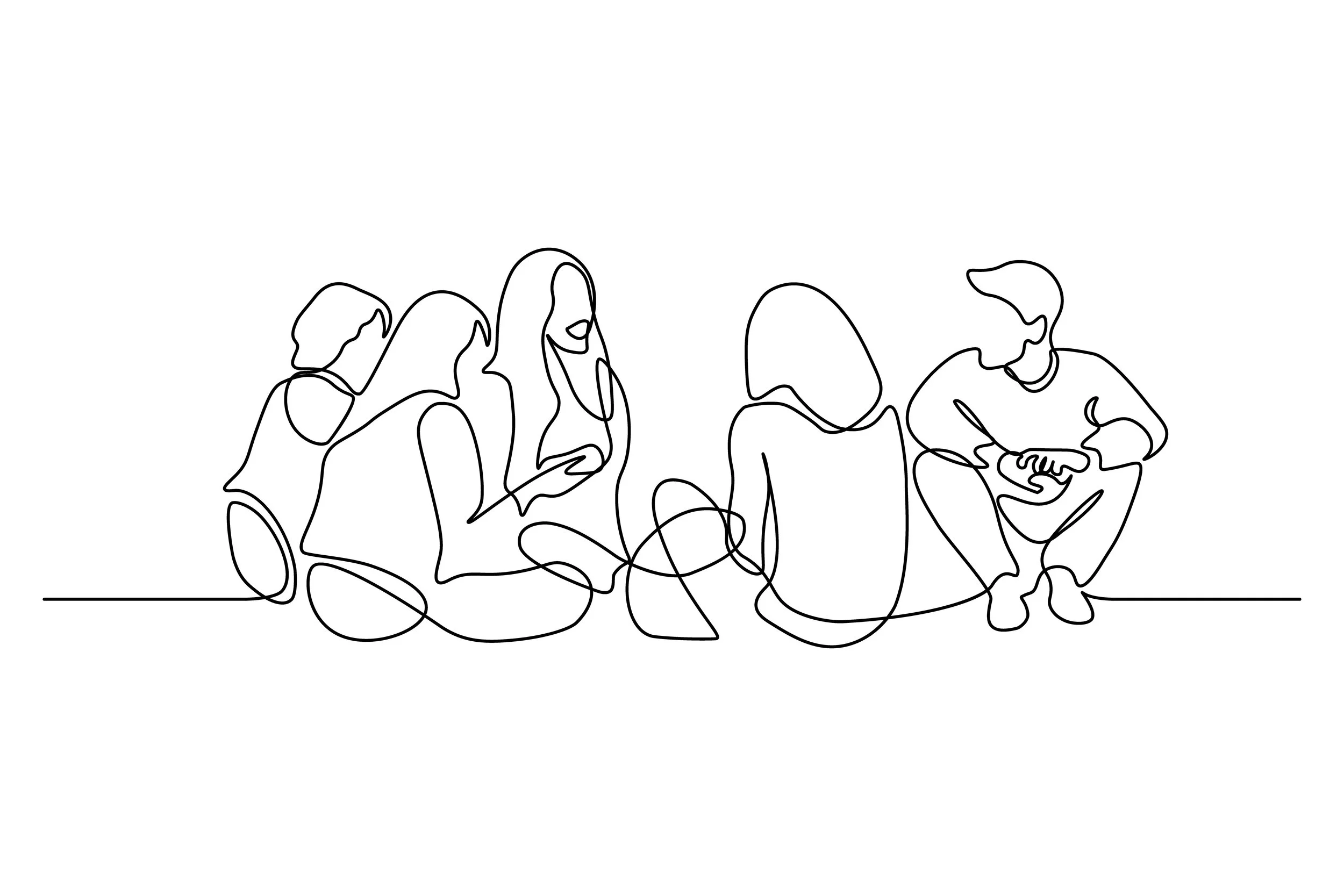
Inclusion is not a programme. It is not a diversity policy, a hiring target, or an annual awareness event. It is an everyday experience – the ongoing, lived sense that an employee belongs in the organisation they work for, that their perspective is genuinely valued, and that they can show up as themselves without editing who they are to fit a dominant cultural mould.
For Australian organisations, inclusive culture is both a performance and a people priority. Research by Forbes shows that employees who feel their voice is heard are 4.6 times more likely to feel empowered to perform their best work. That is not a marginal improvement. That is the kind of performance differential that makes inclusion a business strategy, not just an equity obligation.
But building genuine inclusion in Australian organisations is harder than most diversity and inclusion programmes acknowledge. It requires three interconnected investments: in diversity of thought as a deliberate team design principle, in the openness and authenticity that leaders and organisations need to model, and in the genuine employee feedback mechanisms that make the culture responsive rather than assumed.
At Corporate Crayon, we work with Australian organisations as an inclusive culture communications partner – helping organisations understand what genuine inclusion looks like in practice, and building the culture and communication frameworks that make it real.
What are the key factors to building an inclusive culture in Australian organisations?
The three key factors to building an inclusive culture are: diversity of thought – designing teams and collaborative environments that actively leverage differences in values, personality, background, and cognitive approach; openness and authenticity – creating organisational and leadership cultures where transparency, candour, and genuine self-expression are both modelled and safe; and employee feedback – building the discovery and listening mechanisms that give employees genuine influence over the culture and processes that affect their experience, rather than assuming the organisation already knows what they need.
Key Takeaways:
- Employees who feel their voice is heard are 4.6 times more likely to feel empowered to perform their best work (Forbes)
- An inclusive culture is not a policy or a programme – it is the daily lived experience of belonging, authenticity, and being genuinely valued for what makes you different
- Diversity of thought – deep-level diversity across values, personality, purpose, and cognitive approach – has been shown to produce greater ideation capacity than demographic diversity alone
- 96% of respondents in a Corporate Crayon research survey said it was important for leaders to communicate openly and have the courage to admit when they are not capable
- Organisations that build genuinely inclusive cultures consistently see increased creativity and innovation, higher job satisfaction, stronger engagement, and better overall performance
- Employees who feel heard are 4.6x more likely to perform at their best (Forbes)
- Three factors: diversity of thought, openness and authenticity, employee feedback
- Inclusive culture is a daily lived experience – not a policy or programme
- Authentic leadership is the most powerful inclusion signal available
- Corporate Crayon helps Australian organisations build genuinely inclusive cultures – connect with us today
What Genuine Inclusion Looks Like for Australian Organisations
There is a significant difference between organisations that are working on inclusion and organisations that are genuinely inclusive. The former have the policies, the targets, the annual reporting, and the awareness programmes. The latter have a culture where employees of all backgrounds, identities, and cognitive styles actually experience belonging and are actually contributing their full capability.
The gap between the two is almost always a culture and communication gap. The policies are in place but the lived experience has not changed. Leaders have completed training but have not changed how they actually behave with their teams. Employees know they can raise concerns but do not trust that anything will happen if they do.
Building genuinely inclusive cultures in Australian organisations requires going beyond compliance. It requires designing the culture and communication environment deliberately to create the conditions for real belonging – starting with how teams are composed, continuing with how leaders model the behaviour they want to see, and sustained by the feedback mechanisms that keep the organisation honest about whether inclusion is being experienced or just being described.
Inclusive culture communication strategy that gives Australian leaders the frameworks, language, and ongoing measurement to build genuine inclusion – rather than managing diversity as a compliance obligation – is what differentiates organisations that produce the Forbes performance outcome from those that produce diversity reports.
Read More About: Meaningful Workplaces and Values Culture in Australian Organisations
Factor 1: Diversity of Thought and Creative Thinking
The most underutilised source of organisational performance available to Australian organisations is sitting in their teams right now. It is the diversity of how their people think – the different ways they interpret problems, generate ideas, evaluate options, and communicate their reasoning.
Deep-level diversity – diversity across values, purpose, personality, and cognitive approach – has been shown to produce greater ideation capacity in groups than surface-level demographic diversity alone. The differences that matter most for organisational performance are not just who people are demographically but how they think, what they value, and what their experience of the world leads them to see that others might miss.
But diversity of thought only produces its performance benefit when the organisation creates the conditions for it to be expressed. A team that contains diverse thinkers but operates in a culture where only the dominant cognitive style is valued, recognised, or acted on has not built diversity of thought into a performance advantage. It has assembled the components and missed the implementation.
Building diversity of thought into Australian team design means deliberately selecting for cognitive and values diversity when teams are formed – not just filling roles with qualified people but asking what perspectives are missing from the team and actively seeking to include them. It means creating collaborative structures that allow different thinkers to genuinely contribute – where fast verbal thinkers do not systematically dominate, where process-oriented thinkers are not dismissed as obstacles, and where the ideas that come from different places in the room are given genuine consideration.
Corporate Crayon helps Australian organisations design the culture and communication frameworks that make diversity of thought a performance advantage. |
Factor 2: Openness and Authenticity
Corporate Crayon’s 2022 research found that 96% of respondents said it was important for leaders to communicate openly and to have the courage to admit when they are not capable. This is a striking finding – and it points to something deeper than communication style.
What Australian employees are describing is a desire for authenticity. Not polished leadership performance, not carefully managed messaging, but real, honest, vulnerable communication from people who are willing to be themselves and to acknowledge their limitations. This kind of authenticity from leaders creates the psychological safety that makes everyone in the organisation more willing to do the same.
An authentic leader in an Australian context is one who genuinely operates from their own values, who can say “I don’t know” when they do not know, who can say “I got that wrong” when they got it wrong, and who invites challenge and different perspectives without treating them as a threat. This is the leader who creates an inclusive culture not by implementing inclusion programmes but by living the openness that makes inclusion possible.
For Australian organisations, developing this kind of leadership authenticity requires more than communication training. It requires the personal clarity work – understanding one’s own values and purpose – that allows leaders to lead from genuine conviction rather than role performance.
Employee feedback and research that gives Australian organisations quantitative and qualitative insight into whether employees experience their leadership as open and authentic – rather than assuming they do – is the diagnostic foundation for building the authentic leadership culture that genuine inclusion requires.
Factor 3: Employee Feedback and Discovery
The third factor is the one that makes inclusion dynamic rather than static – that makes the culture responsive to what employees actually experience rather than what the organisation assumes they experience.
Employee feedback in the inclusion context is not a satisfaction survey. It is a genuine discovery process – investing time in understanding what employees think, feel, and need, with the authentic curiosity that produces honest responses rather than socially acceptable ones.
From Corporate Crayon’s experience working with Australian organisations, employees who feel their ideas are genuinely heard are more likely to contribute on an ongoing basis. This is the virtuous cycle of inclusion: listening generates belonging, belonging generates contribution, contribution generates innovation and performance, and the visible valuing of that contribution generates more belonging.
But the feedback process needs to be conducted with genuine independence and psychological safety. When employees are asked for honest feedback in rooms where the power dynamic makes honesty feel risky, they give safe answers. Australian organisations that use external partners to conduct discovery research – creating the conditions for unfiltered honesty – consistently get more accurate and more useful insight into the actual inclusion experience of their workforce.
Inclusive culture brand design that makes the listening and feedback process itself visible, branded, and consistently communicated – so employees know the organisation takes their input seriously – is what turns a one-off discovery exercise into an ongoing cultural practice.
Read More About: Growing a High-Performing Team: What Australian Organisations Get Right
Conclusion
The Forbes finding is compelling in its precision. Employees who feel heard are 4.6 times more likely to perform at their best. That is the performance case for inclusion – and it is a direct function of whether the organisation has genuinely invested in the three factors: diversity of thought, openness and authenticity, and employee feedback.
At Corporate Crayon, we help Australian organisations build this. If you want to know more about our inclusive culture approach, or to start a conversation about your specific culture challenges, we are ready. Connect with us today
FAQs
What is an inclusive culture and why does it matter for Australian organisations?
An inclusive culture is one that embraces and celebrates employees’ differences in experiences, backgrounds, and ways of thinking – creating an environment where everyone can contribute their full capability and feel genuinely valued for what makes them distinctive. For Australian organisations, inclusive culture matters because it drives performance: research by Forbes shows employees who feel their voice is heard are 4.6 times more likely to feel empowered to perform their best work. Inclusion also drives innovation, engagement, and the creative output that comes from diverse thinking genuinely applied.
What is diversity of thought and how does it improve performance?
Diversity of thought is the recognition that different people interpret and interact with the world differently based on their unique values, personality, experiences, and cognitive approaches. Deep-level diversity across these dimensions has been shown to produce greater ideation capacity in groups than demographic diversity alone. For Australian organisations, harnessing diversity of thought requires deliberate team design – building teams with genuine cognitive variety – and collaborative structures that allow different thinkers to contribute rather than defaulting to the dominant cognitive style.
How does authentic leadership build an inclusive culture?
Authentic leadership builds inclusion because it models the openness and self-expression that makes everyone else in the organisation feel safe to do the same. Leaders who communicate honestly, admit limitations, invite challenge, and operate visibly from their own values create the psychological safety that is the foundation of genuine inclusion. Research by Corporate Crayon found 96% of respondents said it was important for leaders to communicate openly and admit when they are not capable – signalling that Australian employees are looking for real leadership, not performance.
Why is employee feedback important for inclusive culture?
Employee feedback is important for inclusive culture because it makes the culture responsive rather than assumed. Organisations that genuinely listen to what employees experience – through structured discovery processes, focus groups, and independent research – get accurate insight into where inclusion is working and where it is not. They also create the felt experience of being heard, which itself is one of the most powerful inclusion signals available. Employees who genuinely influence the culture they work in feel far greater belonging than those in organisations where feedback is collected but not visibly acted on.
How does inclusion connect to employee engagement and performance in Australia?
Inclusion connects to engagement and performance in Australian organisations through the fundamental human need to belong and to contribute authentically. When employees experience genuine inclusion – when they feel their differences are valued, their voice is heard, and their authentic self is welcome – they bring more of themselves to their work. This translates directly into the discretionary effort, creative contribution, and sustained engagement that produce the performance outcomes that make inclusion a business strategy rather than just an equity obligation.
How does Corporate Crayon help Australian organisations build inclusive cultures?
Corporate Crayon is an inclusive culture communications consultancy working with medium to large Australian organisations. We help organisations build genuinely inclusive cultures through diversity of thought design, authentic leadership capability development, and employee feedback and discovery processes that create the genuine listening that inclusion requires. We work with Chief People Officers, HR Directors, and People and Culture leaders across Australian organisations, delivering culture strategies and communication frameworks that produce lasting inclusion.


